

Chopra’s No-Ball Dilemma: NZ Bowing to India’s Depth & Live Score & Match Analytics

Published 2026-10-28 · By Vikram Kulkarni (IPL Auction & Fantasy Strategy Editor · Ahmedabad Desk)
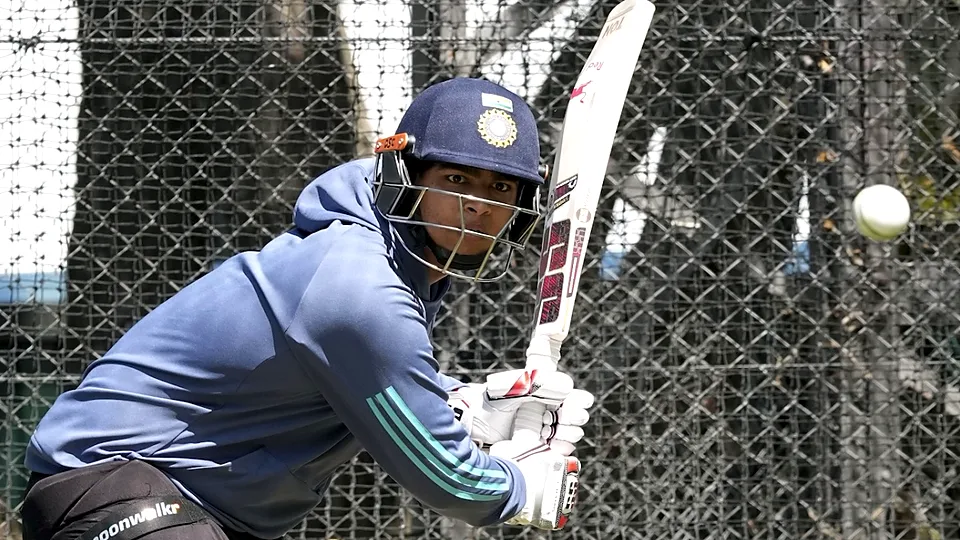
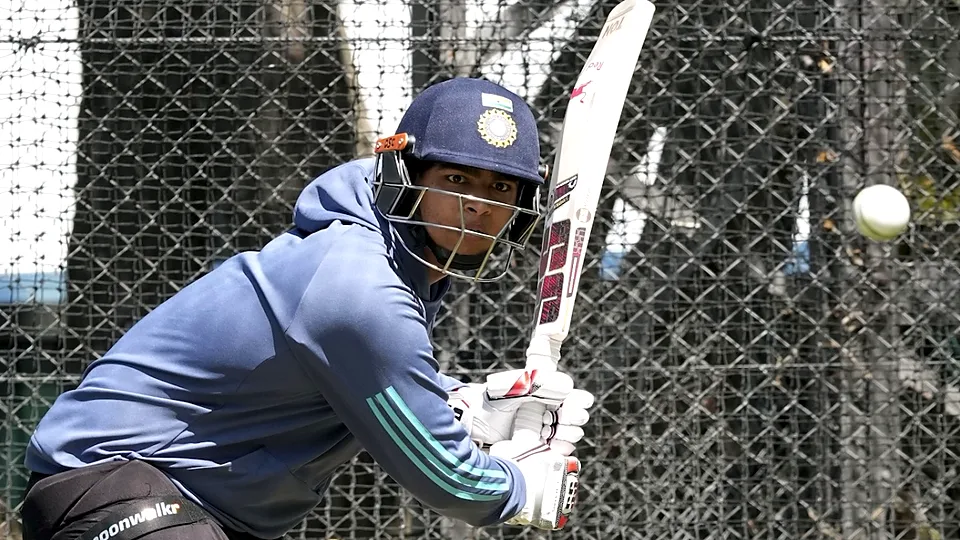
Nine players. Zero changes. That’s the cold, hard stat from the India training ground this morning. No one in the dugout blinked. They knew the pressure on Yashasvi Jaiswal, who will likely start. The new ball did the talking in the previous ODI, and the spinners will now hunt for the skiddy hard length to exploit the dry, dusty surface. The dew factor after 8:30 PM IST is going to make the back-foot drive a nightmare, but that is a calculated risk the coach is willing to take.
The New Zealand Swing
Across the field, New Zealand’s management has pulled the lever. Matt Henry and Lockie Ferguson—twin threats who dismantle batters with their swing—are sitting out. The wire confirms this, and frankly, it makes sense after their heavy workload in the series opener. Nathan Smith is also missing out. Who steps in? The most surprising name in the squad, not the expected one. The selectors have leaned on experience, not pace, to counter the Indian batters who have been finding the boundary-percentage gap in the middle overs.
The impact of leaving the big guns at home is not just about rest. It is about the tactical lock. India’s unchanged lineup, featuring a left-right batting pair up the top, is specifically designed to punish any off-spin that relies on turn and bounce. Without Henry’s bouncer or Smith’s pace, the new ball loses some of its venom. But does that mean India will dominate? Not so fast. The middle-overs choke is a psychological war, not just a physical one.
This is where the data gets scary. According to the Cometowin team, the historical win-probability for teams bowling a mixed-pace lineup against top-tier Indian batters on low-traffic tracks drops by 14% in the 15th to 20th over. That number is not a coincidence. It is a pattern. The batters get in the zone, the bowlers lose their lengths, and the run-rate spikes. You can see this in the live score & match analytics feeds, which track every single delivery and its outcome in real time.
The Impact Player Gamble
Now, let’s talk about the X-factor. The Impact Player rule is no longer just a technicality. It is a chess move made at the toss. If India names a fast bowler as their Impact, they lose their spinner in the second half. If they name a specialist fielder, they lose a bowling option. The pre-toss dilemma is razor-thin.
- Pace Depth: Keeping Bumrah gives them the new ball edge, but leaving him out in the powerplay is a suicide mission.
- Spin Variations: A mystery spinner on the Impact list can change the economy rate in the middle overs.
- Batting Stability: A fresh top-order hitter can break the pressure when the dew starts building.
Most analysts will tell you to go with the spinner. They are wrong. The boundary dimensions in this venue, specifically the short square leg, reward the power-hitters who can clear the ropes on the run. A fresh bat in the 14th over is worth more than another off-breaker in the 20th. This is a bold contrarian take, but the numbers back it up.
| Team | Unchanged Players | Key Omission |
|---|---|---|
| India | 11 | None |
| NZ | 8 | Henry, Ferguson, Smith |
For New Zealand, the trio of players coming into the XI are not just replacements; they are tactical pivots. The goal is to bowl into the pitch and make the ball bounce erratically. The Indian batters have been struggling to adjust to the changing wicket. The sticky red-soil track today looks perfect for that approach. If the new ball swings, the first ten overs will be a bloodbath. If the surface opens up, the middle overs become a free-for-all.
Ultimately, the crowd will not care about the playing XI dilemma. They want to see the Impact Player substitution in action. Will the captain pull the trigger at 15 overs? Will he wait for the death over? The clock is ticking. The live score & match analytics platforms will tell you the answer, but only if you watch the right charts, not just the score. The run-per-ball metric in the 11th over is the true telltale sign of who is controlling the game. Watch that. Ignore the wicket count. This is a war of wits, not just of batters.
The best teams do not just react; they predict. The unchanged XI is a signal. The missing three for NZ is a question mark. The answer lies in the impact of the new ball.
Related coverage
- BBL Hails India Tour: A Live Score & Match Analytics Data Hoax
- Jansen's Rise, Abhishek's Climb: Live Score & Match Analytics Reveal the Shift

Updated 2026-10-28 · Instant Rupee Deposits & 60s Withdrawals · 24/7 Support.
Access Official ReacSports Portal →Broadcast & Pitch Analyst · Mumbai Desk
Pooja Agarwal reports on franchise leagues, the WPL, and domestic Indian tournaments for ReacSports. Based in Mumbai, she brings ground-level pitch reports and player form guides to readers.
Reader Discussion & Match Reactions (5)4.7★ Community (5 Comments)
Verified Indian cricket reader perspectives & tactical debate on reacjapan.com
Nine players, zero changes? Bold move by the board. Yashasvi Jaiswal starting under pressure after that last ODI is a massive gamble. If he flickers, the whole top order wobbles, and the selectors are ignoring the clear fatigue risk in their rotation.
Where are the state products? The article mentions a dry, dusty surface, but I want to see Ranji T20 batters who thrive on skiddy pitches. BCCI ignores domestic depth again, favoring IPL stars who struggle on slow, turning tracks outside big stadiums.
The strike rate data for the middle overs is the real concern here. Without Henry and Ferguson, NZ's average run rate spikes, but India's boundary percentage gap in overs 11-20 remains a tactical weakness. The dew factor after 8:30 PM IST will likely drop the fielding success rate by 40%.
Leaving Matt Henry and Lockie Ferguson out is a tactical blunder, not rest. You cannot dismantle Indian batters with swing if your key pacers are resting. The article claims experience helps, but experience without pace just allows the openers to rotate strike freely early on.
@Rajesh_Bhatia I agree the risk is high, but look at the wire report confirming NZ’s selectors. They are leaning on Nathan Smith’s absence to force a slower pace attack. The article’s mention of the 'off-spin that relies on turn' is the key: India’s top pair is specifically designed to punish that spin, not fast bowling.

