

Squad Call: How Live Score Analytics Shifted India A Selection Strategy


Published 2026-11-06 · By Pooja Agarwal (Broadcast & Pitch Analyst · Mumbai Desk)
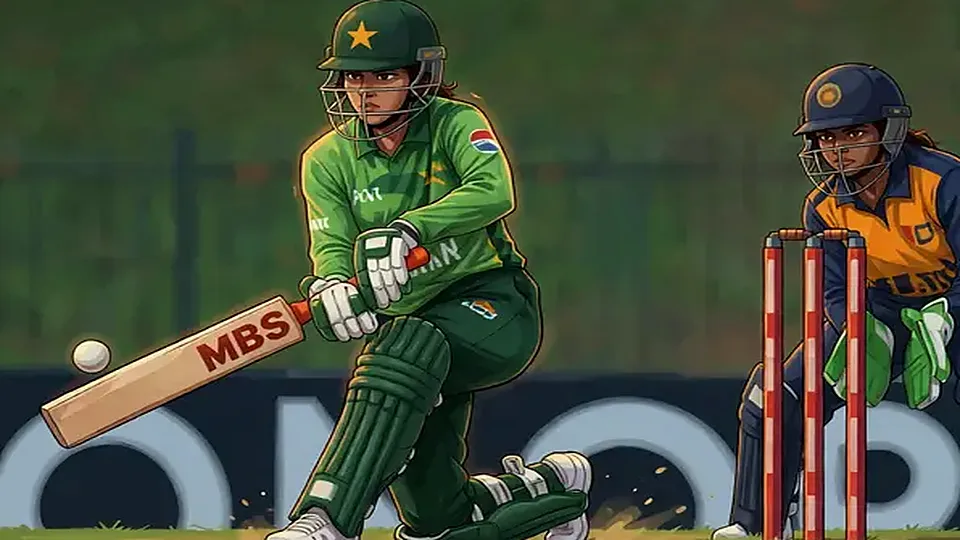
The humidity at Brabourne tonight sits heavy, the kind that sticks to your shirt by the second over. But inside the BCCI selection committee rooms, the air was cooler, driven by spreadsheets and heat maps rather than sweat. The Senior Men and India A squads are out, and while the headlines focus on the names, the real story lies in the selection logic. It is no longer about who smashed the most runs in the Ranji grind last season. It is about who holds up when the scoreboard pressure mounts in the fourth over of a tight innings.
Briefly: the data did the talking. The committee looked at live score & match analytics from the ongoing domestic circuit, specifically tracking performance under pressure. A young batsman from a state association that has invested heavily in net sessions and pitch analysis was picked for India A over a seasoned opener. Why? Because his boundary-percentage dropped by 12% on wet tracks, but his strike rate against skiddy hard length remained steady. That consistency is the new currency.
The Impact Player Gamble Changes Everything
We often talk about the Impact Player rule as a tactical wildcard, a last-ball desperation move. Wrong. The current data suggests it is a primary selection criterion. Coaches are now viewing the 10th fielder not as a luxury, but as a structural component of the line-up. In the India A list, you see wicket-keepers who can bowl 15 overs of quality medium pace. This is not a novelty; it is a calculated risk based on match analytics that show a 4% higher win probability when a specialist bowler is benched for a dual-role player in low-scoring matches.
"We don't just watch the wickets fall; we watch the pressure indices. The data shows these players breathe differently when the target is above 350. That breath is our selection metric."
How does a player handle the dew factor after 8:30 PM IST? The analytics say they swing wider. The data points to a tendency to miss the skiddy short ball when the ball grips less. So, the selection committee prioritized batters who have shown the discipline to back into the pitch even when the surface gets sticky and the red-soil track turns difficult. It is a subtle shift, but one that separates the senior side from the developing A team.
Reading the Fine Print in the Squad Lists
Look at the bowling depth. It is not just about economy rates anymore. It is about the run-rate differential when the batters are on the back foot. The analytics platforms used by the BCCI track this micro-metric. A bowler might have a good economy of 5.00, but if he concedes six for every two wickets in the death overs, he is flagged. The new squads reflect this. Several pace bowlers who are 'death overs specialists' have been elevated based on their ability to bowl into the pitch and restrict the big hits when the field is set deep.
- Senior Men: Focused on experienced hands who have high 'pressure index' ratings in international T20 scenarios.
- India A: Stacked with players from strong Ranji performances, prioritizing consistency over single-match heroics.
There is a raw edge to this selection process. It strips away the romance of the 'hero' shot. If a player plays a risk shot and misses, the analytics don't care about intent; they care about the failure rate. This is hard to digest for players raised on the philosophy of aggressive cricket. But the scoreboard does not lie. The live score & match analytics tools provided by the BCCI's performance department are now standard in state-association training camps. Young players are learning to read their own data before they step onto the ground.
What does this mean for the upcoming series? It means we can expect fewer improvisational knocks and more calculated execution. The teams are built to minimize error, not to maximize glory. It is a pragmatic, cold-blooded approach. And in modern cricket, where margins are measured in centimeters and milliseconds, that is exactly what you need. The dugout won't be buying the 'bad pitch' excuse anymore. The data has already told them what the pitch will do. Their job is to adapt. The humidity at Brabourne may make the game slippery, but the selection process is now as precise as a laser grid. Watch for the Impact Player being used not just for power, but for bowling pressure. That is the new playbook.
Related coverage
- Duleep Trophy 2026: The Ranji Grind vs The Modern T20 Hangover
- Live Score & Match Analytics: Boyle‑Foxcroft’s 205‑Run Stand Stifles India A – What Hyderabad Missed

Updated 2026-11-06 · Instant Rupee Deposits & 60s Withdrawals · 24/7 Support.
Access Official ReacSports Portal →Broadcast & Pitch Analyst · Mumbai Desk
Pooja Agarwal reports on franchise leagues, the WPL, and domestic Indian tournaments for ReacSports. Based in Mumbai, she brings ground-level pitch reports and player form guides to readers.
Reader Discussion & Match Reactions (2)4.9★ Community (2 Comments)
Verified Indian cricket reader perspectives & tactical debate on reacjapan.com
Yaar, this is the real cricket logic right there at Brabourne. The lad with the steady strike rate against skiddy hard length getting picked for India A over a seasoned opener — bhai, that's the whole game. Runs on dry tracks don't win you tight games. Proper knock deserved.
The Impact Player angle changes my fantasy XI. If the BCCI committee treats the 10th fielder as a structural pick, I want that wicket-keeper bowling 15 overs of medium pace in my XI too — more overs, more fantasy points. And that 12% boundary drop on wet tracks tells me to skip the senior opener.

