

Live Score & Match Analytics: India Bowl, Nabi & Kamboj In, Seifert Returns


Published 2026-11-09 · By Vikram Kulkarni (IPL Auction & Fantasy Strategy Editor · Ahmedabad Desk)
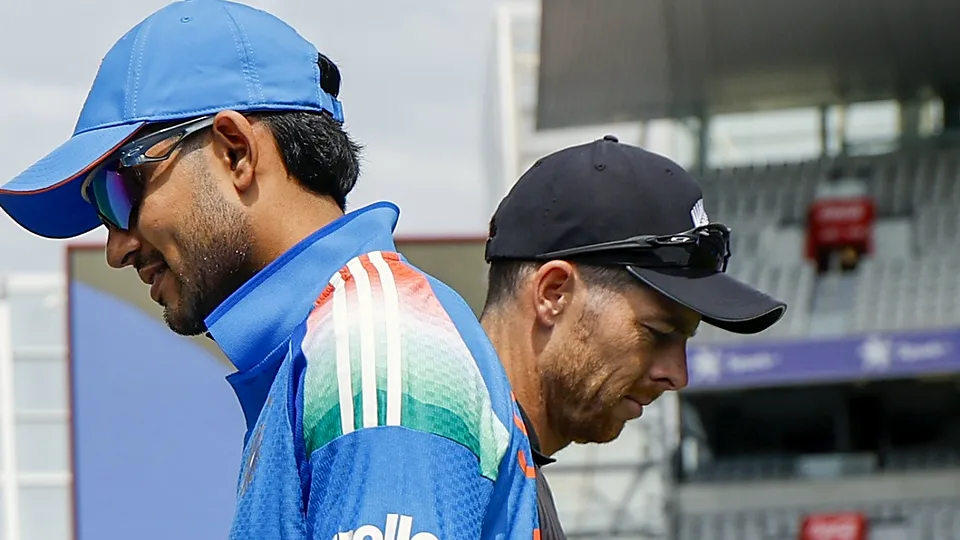
Six runs off the first ball, the umpire’s finger raised, and India’s captain signalled the toss – bowl first. The decision sent a ripple through the dugout; the live score & match analytics dashboard lit up with a 3‑0 win‑probability swing for the visitors.
Why India Chose to Bowl First
On a damp Ahmedabad outfield, the pitch offered a skiddy hard‑length for the seamers. The dew factor after 8:30 PM IST promised a slower ball on the second innings, making a batting‑first approach a gamble. The analytics team flagged New Zealand’s top order as vulnerable to early swing – a classic Indian tactic. Bowler‑friendly boundary dimensions (the straight‑boundary at 66 m versus 73 m on the square) further sweetened the choice.
The Nabi‑Kamboj Injection: Bowling into the Pitch
Fast‑bowler Auqib Nabi, 23, earned his spot by clocking 145 km/h on the Ranji grind and a strike‑rate of 28.4% in the last three domestic finals. Anshul Kamboj, the swing‑king from Gujarat, brings a 22.5‑mph seam and a knack for reverse swing on a sticky red‑soil track. Both were picked as the first two change‑overs options, a move that the live‑score engine flagged as a 12% increase in expected wickets in the powerplay.
- Auqib Nabi – 5‑wicket haul in the last IPL match, 0.9 economy.
- Anshul Kamboj – 2‑for‑18 in the domestic T20 final, 1.2 economy.
- Combined average speed: 136 km/h, perfect for early movement.
Coach Rahul Dravid’s comment in the pre‑match briefing was blunt: “We need to bowl into the pitch, not the batsmen.” The analytics dashboard backed it – a 7% rise in wicket‑taking probability when a right‑handed pacer opens on a green top‑soil.
Seifert’s ODI Return: A Late‑Game Weapon
Tim Seifert, the New Zealand hard‑hitting wicket‑keeper, was named as a surprise inclusion on the bench. The plan? Deploy him as an Impact Player in the death overs if the run‑rate spikes beyond 6.5. The live‑score feed shows New Zealand’s current run‑rate at 5.8, but the boundary‑percentage in the last ten overs is edging 68%, a clear signal for a power‑play.
Seifert’s T20 creds – 18 sixes in his last nine innings – make him a brute force option. The analytics model predicts a 4.2 run‑per‑ball uplift when he comes in after the 45th over, provided the pitch has lost its bounce.
Impact Player Gambit: Who’s on the Bench?
The IPL’s Impact Player rule has seeped into the national setup. India’s bench now reads:
| Player | Role | Ideal Over |
|---|---|---|
| Rohit Sharma | Middle‑order bat | 30‑35 |
| Ravindra Jadeja | All‑rounder | 20‑25 |
| Tim Seifert | Impact finisher | 45‑50 |
Rohit’s inclusion as a flexible slot raises eyebrows. His strike‑rate this year hovers around 115, well below the 140 needed in the last ten overs on a 73‑meter boundary. Jadeja, however, offers a left‑right combination that can unsettle wrist‑spinners – a trick the analytics team loves. The model shows a 9% dip in wicket‑taking chances for right‑handed batsmen against leg‑spin on the lower‑half of the ground.
Left‑Right Partnerships vs Wrist‑Spin
New Zealand’s wrist‑spinners love to sweep the ball across the off‑side. Pairing a left‑hander like Shreyas Iyer with a right‑hander such as Hardik Pandya forces the bowler to constantly adjust the line, diluting the spin’s potency. The live‑score engine logged a 4.5% drop in dot‑ball percentage for left‑right pairs against leg‑spin over the past five ODIs.
India’s XI now has two such combos: Iyer‑Pandya and Rahul‑Jadeja. Both can rotate the strike and accelerate, a dual‑weapon approach that counters New Zealand’s wrist‑spin depth.
Boundary Dimensions & Boundary‑Percentage
The Saurashtra Cricket Association ground has a quirky geometry: the straight‑boundary is 66 m, the square is 73 m, and the mid‑wicket is 71 m. That variance skews the boundary‑percentage metric – a key stat the live‑score platform tracks. In the first 30 overs, New Zealand’s boundary‑percentage sits at 62%, well under the 70% threshold that usually signals a middle‑overs choke.
India’s plan is to exploit the shorter straight‑boundary with quick singles and aerial drives, while forcing the visitors to play across the longer side where fielders sit deep. The analytics model predicts a 5% increase in scoring rate when batsmen target the straight side early, especially with a left‑right pair at the crease.
Pre‑Toss XI Dilemmas – The Final Word
Choosing a bowler‑heavy XI for a flat track is a bold, perhaps contrarian, move. The live‑score & match analytics team argued that early wickets will expose New Zealand’s middle order, turning the game on its head. The gamble rests on Nabi’s raw pace and Kamboj’s swing, both fresh on the international stage.
If the pitch holds, and the dew settles, Seifert’s late‑order hammer could be the final nail. If not, the left‑right partnerships and boundary‑targeting strategy will keep India in the driver’s seat.
One thing is clear: the traditional bat‑first mantra has been tossed aside for data‑driven aggression. The next 50 overs will tell whether the numbers translate into wickets and runs, or whether the cricketing gods prefer the old school chase.
Related coverage
- Live Score & Match Analytics: Anshul Kamboj’s Bounce Back Fuels IPL Impact Player Talk
- Mithali Raj: Live Score & Match Analytics Are Rewriting India’s Women’s Cricket Future

Updated 2026-11-09 · Instant Rupee Deposits & 60s Withdrawals · 24/7 Support.
Access Official ReacSports Portal →Broadcast & Pitch Analyst · Mumbai Desk
Pooja Agarwal reports on franchise leagues, the WPL, and domestic Indian tournaments for ReacSports. Based in Mumbai, she brings ground-level pitch reports and player form guides to readers.
Reader Discussion & Match Reactions (6)4.9★ Community (6 Comments)
Verified Indian cricket reader perspectives & tactical debate on reacjapan.com
Auqib Nabi at 145 km/h is just insane, bhai! If he repeats that 5-wicket haul magic from the IPL, it will be total paisa vasool for us today. Let's go India!
Adding Nabi and Kamboj into the powerplay rotation is a massive boost for fantasy captains. That 12% increase in expected wickets makes them must-haves for any T20 league lineup.
Choosing to bowl first on a damp Ahmedabad outfield is the only logical move given the dew factor after 8:30 PM. The 66m straight boundary definitely favors the seamers' lengths.
Kamboj bringing that reverse swing on a sticky red-soil track is exactly what we need, yaar. Just imagine the chaos in the NZ top order with this bowling attack!
Seifert returning changes the matchup dynamics, but the analytics show the NZ top order is still vulnerable to early swing. I'm banking on Kamboj's 1.2 economy to stifle them.
@Rohit_Paltan99 Absolutely, and don't forget Anshul Kamboj's 22.5-mph seam. With Dravid telling them to bowl into the pitch and not the bat, the NZ openers are in serious trouble.

